


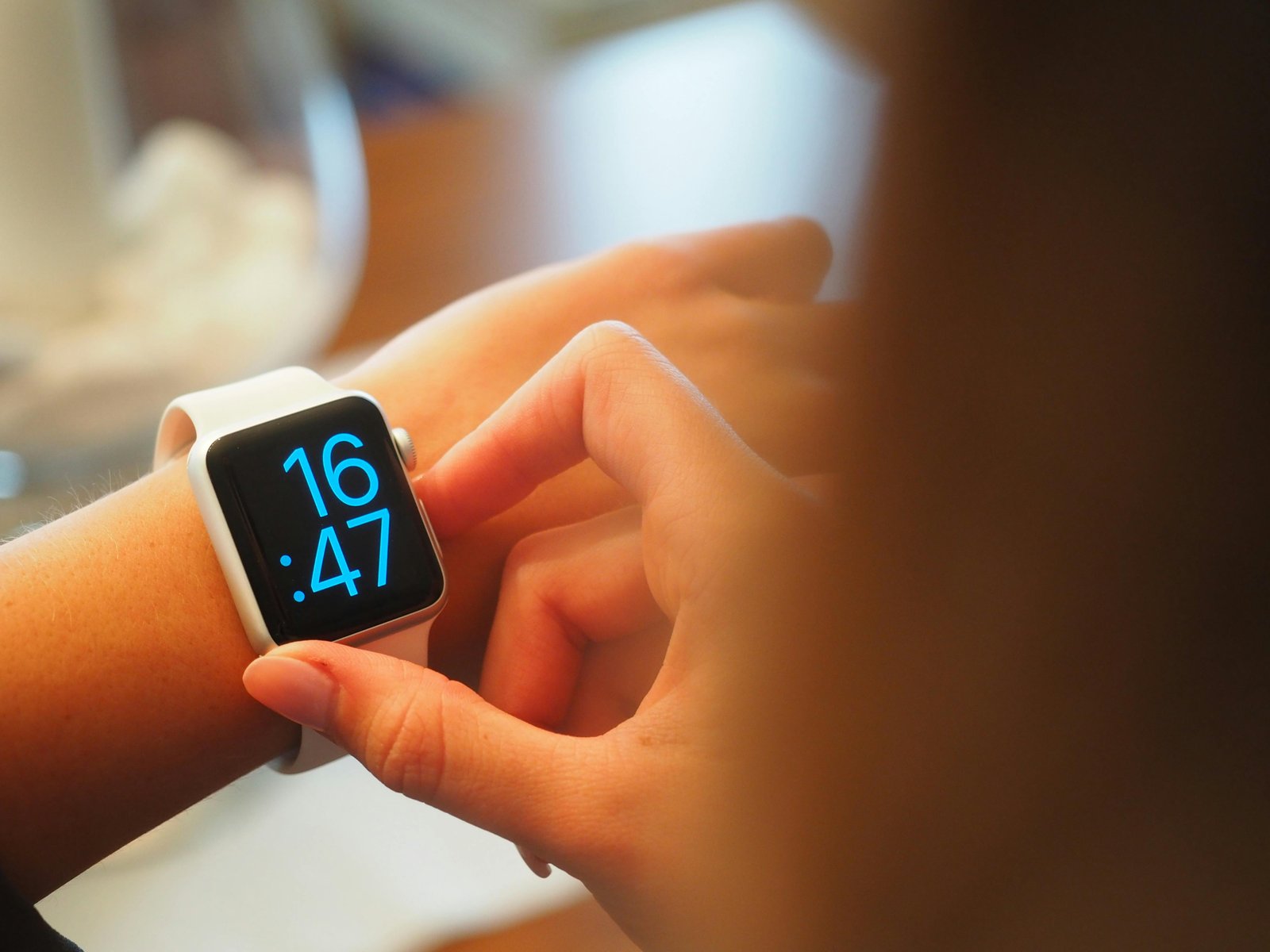
The use of wearable technology and AI has changed how we understand and manages stress. From smartwatches to fitness bands, wearable health monitoring devices can now track how your body reacts to tension through heart rate, skin temperature, and breathing patterns.
When combined with artificial intelligence in healthcare, these tools turn raw data into insights. Using biosensors and machine learning, they can detect signs of stress instantly and even recommend ways to relax, like breathing exercises or breaks.
This is the power of stress detection technology, it helps you notice stress before it takes a toll. In this blog post, we will explore how AI-powered wearables are transforming stress management through real-time data and digital health innovation.
What Is Real-Time Stress Monitoring and How Does It Work?
Real-time stress monitoring means tracking how your body responds to pressure in real time. It relies on sensors that measure physical signals, like changes in your heartbeat, sweat levels, or movement and uses AI to analyze those signals.
Here’s how it works:
- Biosensors inside a wearable device collect data like heart rate and skin conductance.
- Machine learning algorithms process this data to recognize stress patterns.
- The device then gives real-time feedback, such as reminders to breathe or stretch.
This blend of wearable technology and stress detection technology allows users to monitor emotional well-being throughout the day, no hospital visit required.
Why Real-Time Stress Monitoring Matters
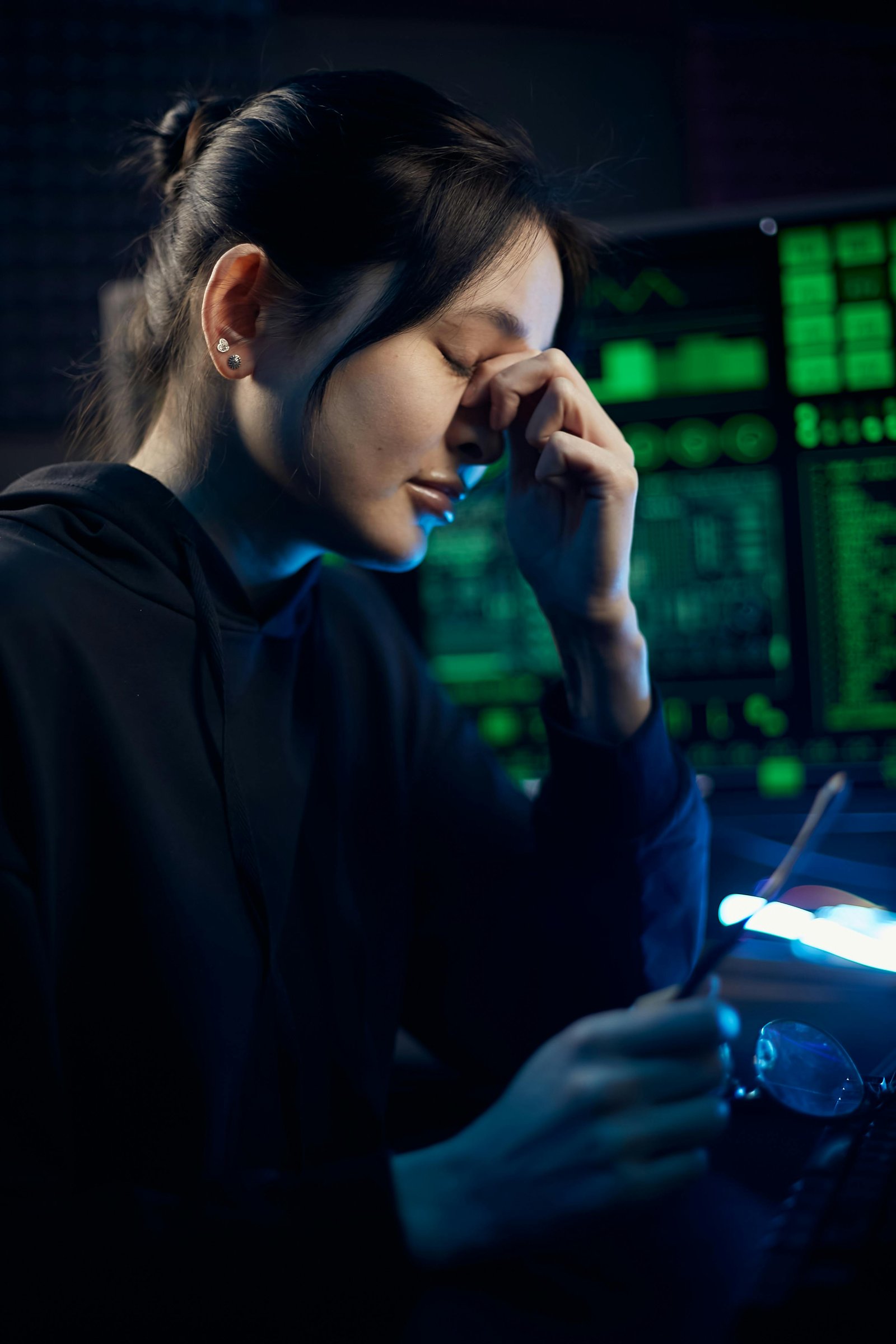
Stress affects nearly everyone, but most people realize it only when symptoms like fatigue, headaches, or anxiety appear. Real-time stress monitoring helps detect these early signals, giving you a chance to take action before burnout sets in.
Key Benefits:
- Early Awareness: Identify rising stress levels before they become overwhelming.
- Personalized Guidance: Receive AI-driven tips based on your body’s data.
- Better Focus and Health: Manage stress to improve concentration and physical well-being.
- Support for Professionals: Healthcare providers can track patterns remotely using wearable health monitoring devices.
This proactive approach is one of the biggest achievements in digital health innovation, combining data and empathy for smarter living.
The Role of Wearable Technology and AI in Modern Healthcare
The combination of wearable technology and AI is changing the face of modern healthcare. Devices like smartwatches and fitness trackers no longer just count steps, they monitor mood, sleep, and stress.
Through artificial intelligence in healthcare, these devices learn from your body’s signals using biosensors and machine learning. For example, if your heart rate or skin conductance suddenly increases, the wearable can detect it as a stress response and suggest calming actions, like a short walk or guided breathing.
This means you don’t just wear a device, you wear a personal health assistant that understands your emotions in real time.
Best AI-Powered Wearables for Stress Monitoring
As wearable stress trackers become smarter and more accurate, the latest generation of devices is redefining how people track and manage their well-being. These AI-powered wearables use advanced biosensors, machine learning, and digital health innovation to detect subtle physiological changes that indicate stress. Here are some of the most popular options:
1. Apple Watch Series 11: Offers comprehensive physiological tracking with advanced biosensors and machine-learning analytics to detect stress and fatigue patterns.
2. Samsung Galaxy Watch 7: Integrates stress monitoring within a broader wellness system, using AI-enabled lifestyle analytics to correlate physical and emotional states.
3. Garmin Venu 4: Combines details like HRV, respiration, sleep cycles, and a “Body Battery” metric powered by machine learning, ideal for performance and recovery insights.
4. Fitbit Versa 4: A more budget-friendly choice that nonetheless includes HRV, skin temperature, and stress tracking features, making stress detection accessible.
Biosensors and Machine Learning — The Power Behind Stress Detection
At the heart of every wearable stress tracker are tiny biosensors that gather real-time data, and machine learning models that make sense of it.
Key Components:
- Heart Rate Sensors (PPG): Detect changes in pulse linked to emotional stress.
- Electrodermal Sensors (EDA): Measure sweat activity — a reliable indicator of tension.
- Temperature Sensors: Track subtle body changes linked to stress or relaxation.
- AI Algorithms: Learn your unique stress patterns over time for personalized predictions.
Together, biosensors and machine learning make these devices smarter with each use, turning your daily data into actionable wellness insights.
The Future of Digital Health Innovation
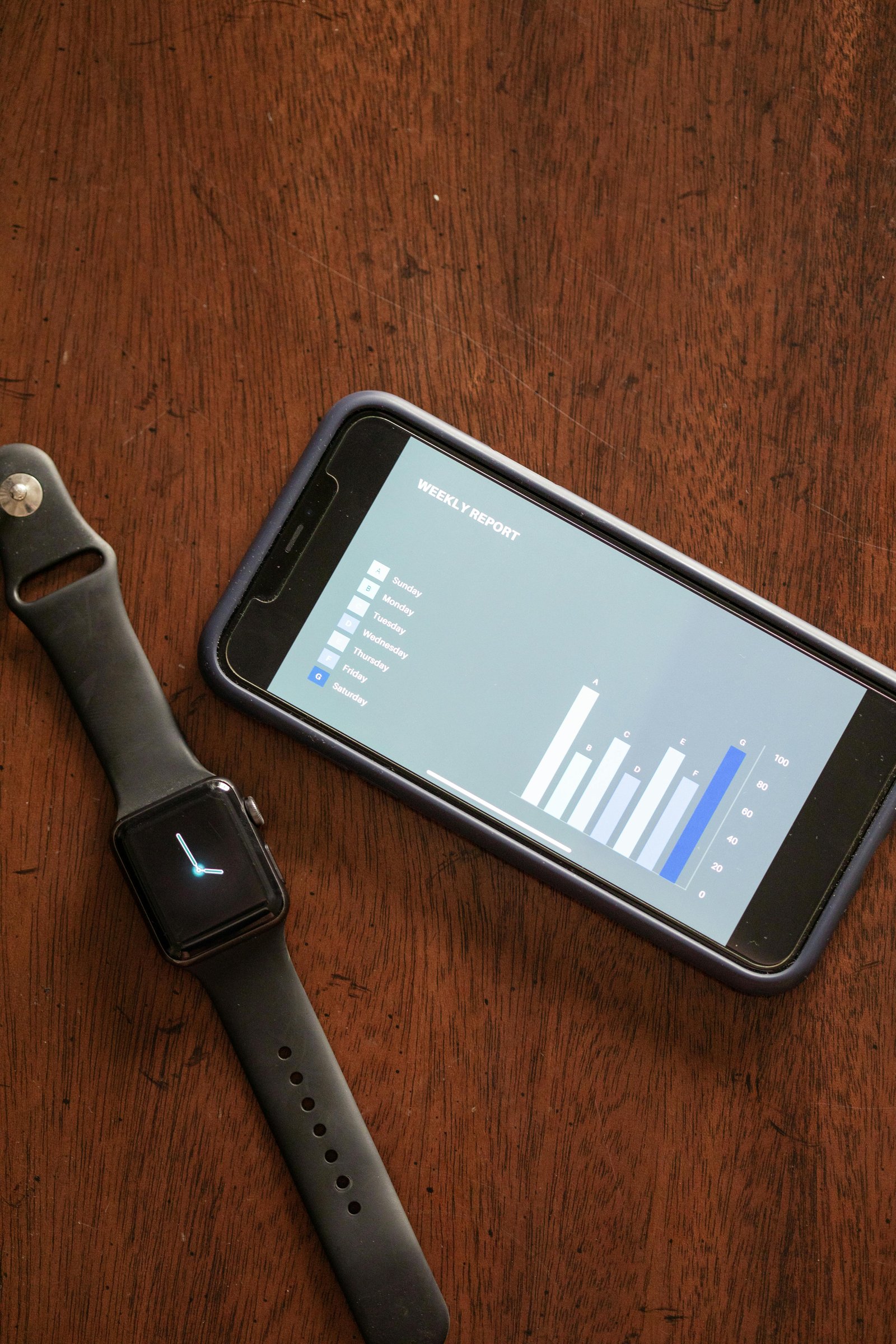
The future of digital health innovation lies in even deeper integration of wearable technology and AI. Soon, stress trackers may combine emotional recognition (via facial expressions or voice tone) with physical signals for a complete mental health snapshot.
Upcoming features may include:
- Predictive alerts for potential stress spikes.
- Integration with telehealth apps for real-time medical advice.
- Smart wearables that adjust lighting or play calming sounds during stressful moments.
With these advancements, stress detection technology will evolve from simple tracking to intelligent prevention, turning wearables into true mental health companions.
Final Thoughts
The integration of wearable technology and AI for real-time stress monitoring marks a turning point in healthcare and personal wellness. By merging wearable health monitoring devices, biosensors, and machine learning, these innovations allow for precise, continuous, and proactive stress management.
As the demand for digital health innovation grows, the development of AI-powered wearables for stress monitoring will continue to transform how individuals, clinicians, and organizations approach mental and physical well-being.
The future of stress management isn’t just about relaxation, it’s about real-time insight, personalized data, and the intelligent partnership between wearable technology and artificial intelligence in healthcare.
Frequently Asked Questions (FAQ)
1. How does wearable technology help with stress monitoring?
Wearable technology uses built-in sensors to track physical signs such as heart rate, skin temperature, and breathing patterns. These data points are analyzed in real time using AI and machine learning, allowing devices to detect stress levels and recommend relaxation or mindfulness activities.
2. What is stress detection technology?
Stress detection technology refers to the use of biosensors and machine learning algorithms in wearable devices to identify stress responses. It recognizes physical and emotional changes by analyzing signals like heart rate variability (HRV) and skin conductance — providing instant feedback to help users manage stress proactively.
3. Are AI-powered wearables accurate for stress monitoring?
Yes, modern AI-powered wearables are becoming increasingly accurate thanks to advanced biosensors and machine learning models. While not a replacement for medical diagnosis, these devices can effectively detect stress trends, track recovery, and guide users toward healthier daily habits.
4. What are the best AI-powered wearables for stress monitoring?
Some of the best AI-powered wearables for stress monitoring include:
- Fitbit Sense 4 – for EDA and mindfulness tracking.
- Apple Watch Series 11 – for personalized stress insights using machine learning.
- Garmin Venu 4 – for detailed stress and recovery analysis.
- Samsung Galaxy Watch 7 – for holistic wellness feedback.
Each of these wearable health monitoring devices uses AI differently but shares one goal, helping users better understand their emotional and physical health.
5. How does artificial intelligence in healthcare enhance stress management?
Artificial intelligence in healthcare enhances stress management by interpreting complex physiological data and turning it into actionable insights. AI models can predict stress triggers, recommend personalized relaxation techniques, and even alert healthcare providers to potential issues, making stress care proactive instead of reactive.
6. Can wearable stress trackers be used for medical purposes?
While wearable stress trackers aren’t medical devices, they serve as valuable tools for preventive care. Many healthcare providers now use data from wearable technology to complement patient monitoring, improve therapy outcomes, and promote mental wellness.
7. What role do biosensors and machine learning play in stress detection?
Biosensors capture physical data such as heart rate, body temperature, and skin conductance, while machine learning interprets that data to identify stress patterns. This combination makes real-time stress monitoring accurate, adaptive, and personalized for every user.
8. What’s next for wearable stress detection technology?
The future of stress detection technology lies in deeper integration with digital health innovation. Upcoming devices will combine emotional recognition (facial expression, voice tone) with physical signals for more holistic stress tracking. AI will also predict stress before it occurs, helping people stay balanced and healthy.