


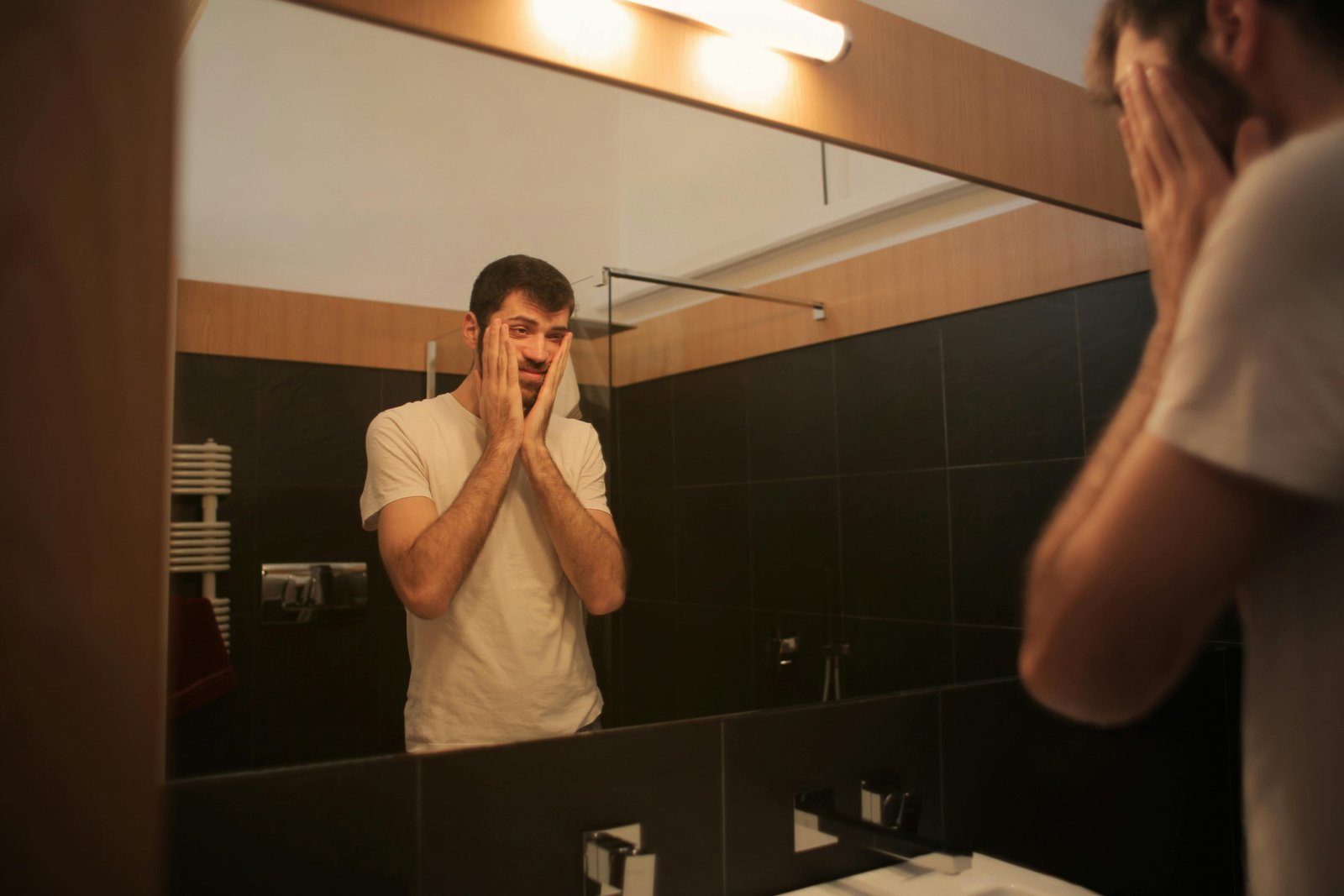
In recent months, a new trend has emerged, and it’s on TikTok and every other social media platform called: “Bathroom camping.” GenZ’s are retreating not for the obvious reasons, but simply to sit (often in stalls), scroll, zone out, or listen to music, just to exist without pressure.
In this blog post, we will explore what Bathroom camping really is, why it’s gaining popularity among Genz’s, what mental experts report says, and whether it’s a harmless coping hack or something more serious. We will also look at healthier and creative stress management alternatives and what parents, educators, and peers should know.
What Is Bathroom Camping?
Bathroom camping is one of the emerging stress-coping behaviour among Gen Z, where the individual retreats to bathrooms, whether at home, school, or any public spaces, for significantly longer periods of time than usual. Rather than serving a functional purpose, these retreats are deliberate pauses, opportunities to decompress, escape the overstimulating reality, or simply sit in solitude.
This practice has gained significant visibility on social media platforms like TikTok. Because of the bathroom camping trend influence, today’s young generation starts to describe bathrooms as “emotional bunkers”, a space that provides privacy, safety, and a temporary buffer against the demands of a fast-paced world.
How Bathroom Practice Looks in Practice
For some GenZ’s, bathroom camping means slipping away during school, college, social events, or workday by putting headphones on, scrolling social media, or listening to music. And for others, it’s about complete stillness, by sitting quietly, meditating, or even bringing in snacks for extended stays.
As odd as it may sound, many GenZ’s say these private moments help them reset when social pressure or sensory overload environment becomes overwhelming.
Why the Bathroom?
It might seem unusual, but the choice of GenZ’s makes sense. A bathroom is a space that offers a unique combination of privacy, a lockable door, and minimal contact with the outside world, with limited external stimulation. According to many reports, it has been claimed that for many GenZ’s bathroom is a “domestic safe space” compared to the outside chaotic and rushed environment.
Why Bathroom Camping is Resonating With GenZ?
Let’s get to know some of the key factors of why the concept of “Bathroom camping trend” resonates with GenZ’s:
1. Overstimulation and Digital Burnout: Many GenZ’s reported that they feel overwhelmed by constant notifications, stimuli, or social expectations. The bathroom acts as an escape place, which is safe, where stimuli are limited, and one can take a pause and reset.
2. Lack of Safe Spaces: Not everyone has a bedroom with a lock or a dedicated calming corner in their home. Also, public spaces can feel overwhelming at times and unsafe. So, the bathroom acts as a refuge for GenZ’s.
3. Mental Health Pressures: GenZ has a higher level of awareness of mental health issues, and they are more open about anxiety, stress, and depression. The people who practice bathroom camping say it helps with panic attacks and anxiety episodes. Others describe it as a response to trauma.
4. Quirkiness and Social Validation: The trend also has a performative/social angle: people share their bathroom camping moments, making it feel like a shared, normalized ritual. It has become one of the quirkiest stress coping mechanisms that develops a sense of “others” like me who feel the same.
Is Bathroom Camping Just a Trend or Is It a Signal?
This is where the line gets blurry. Bathroom camping trend is on a boom, but it also has certain red flags and concerns with it. Let’s get to know some of the potential benefits and possible risks/red flags that people should be concerned about.
| Potential Benefits | Possible Risks / Red Flags |
|---|---|
| Offers immediate, low-cost relief from anxiety or overstimulation. | Prolonged isolation, avoidance of dealing with underlying issues. |
| Provides time for self-reflection, mental reboot. | May become habitual in place of seeking help or healthy outlets. |
| A way to reclaim small spaces of personal control in a fast-paced life. | Possible social dysfunction (if regularly skipping obligations). |
| Helps normalize conversations about mental health by showing small coping strategies. | Could indicate untreated mental health conditions (e.g., depression, anxiety, PTSD) when used as primary coping. |
Mental health experts also warn that such behaviours, when overused or only used to “escape,” might become a red flag. Bathroom camping can work as a temporary camping tool, but it shouldn’t replace therapy, social interaction, or structured stress management.
Creative Stress Management Strategies (Healthier Alternatives)
If bathroom camping is your only go-to way to deal with your stress. Then you can consider these alternative strategies that can serve the same purposes but in perhaps a more sustainable and growth-oriented way:
Mindfulness and Deep Breathing: Want to take a pause from the chaotic and bustling world? Then, just a simple breathing exercise and guided meditation can offer that “reset” feeling. Apps or physical cues (like a relaxing playlist) can help.
Journaling: You can practice writing down what you’re feeling without judging it, which can help you to externalize thoughts, help you to figure out what’s stressing you, and reduce internal turmoil.
Taking Micro-breaks: Going for a short walk, simple stretching, and doing something sensory (walking barefoot, taking a cold shower) can help you reduce your stress and anxiety significantly.
Creative Outlet: By indulging in creative activities like- painting, cooking, playing musical instruments, or anything of your liking that allows absorption of something different from the source of stress.
Making Social Connections & Set Boundaries: Making connections and socializing with your friends and family members. However, you can create boundaries by being transparent that you might require your alone time, which will reduce the level of shame. Also consider setting boundaries like scheduled social media breaks, no screen time, and a notifications period.
Seek Professional Help: When stress or anxiety levels reach a level that you can’t bear, then you must seek counseling, therapy, or mental health support. Coping techniques like Bathroom camping can help in the short term, but for long-term well-being, you may need professional guidance.
Final Thoughts
In recent times, for GenZs, “Bathroom Camping” has emerged as one of the quirky stress coping mechanisms in modern health culture. It’s quirky, yes!, but also meaningful. For some, it’s a momentary refuge. For others, it’s a symptom of deeper unrest.
Creative stress management matters more than ever. To understand where trends like Bathroom camping fall, whether as a quirky escape or a silent call for help. Every educator, parent, and friend should respond with empathy to the individual who’s practicing coping techniques like Bathroom camping and offer healthier alternatives.
Frequently Asked Questions (FAQ)
1. What is the bathroom camping trend?
Bathroom camping is a coping practice where Gen Z spends extended time in bathrooms—at home, school, or public places, not for their primary use, but to decompress, avoid overstimulation, or find solitude.
2. Why is bathroom camping popular among Gen Z?
Gen Z often faces high levels of stress and overstimulation. The bathroom offers a private, lockable, and socially acceptable space to retreat. This makes it a quirky stress coping mechanism that feels accessible and immediate.
3. Is bathroom camping harmful?
In moderation, bathroom camping can be a harmless form of creative stress management. However, if it becomes frequent or replaces healthier coping methods, it may indicate deeper mental health struggles.
4. How does this trend relate to Gen Z mental health?
The bathroom camping trend reflects both rising awareness of mental health and the lack of safe, accessible outlets. For some, it’s a quirky stress escape; for others, it can signal anxiety, burnout, or a silent cry for help.
5. What are healthier alternatives to bathroom camping?
Some sustainable strategies include mindfulness exercises, short walks, journaling, creative hobbies, setting boundaries with technology, and seeking professional mental health support when needed.
6. What does bathroom camping teach us about creative stress management?
It shows that young people are resourceful in finding new ways to cope with stress. While unconventional, it highlights the importance of giving Gen Z safe, healthy options for managing daily pressures.