

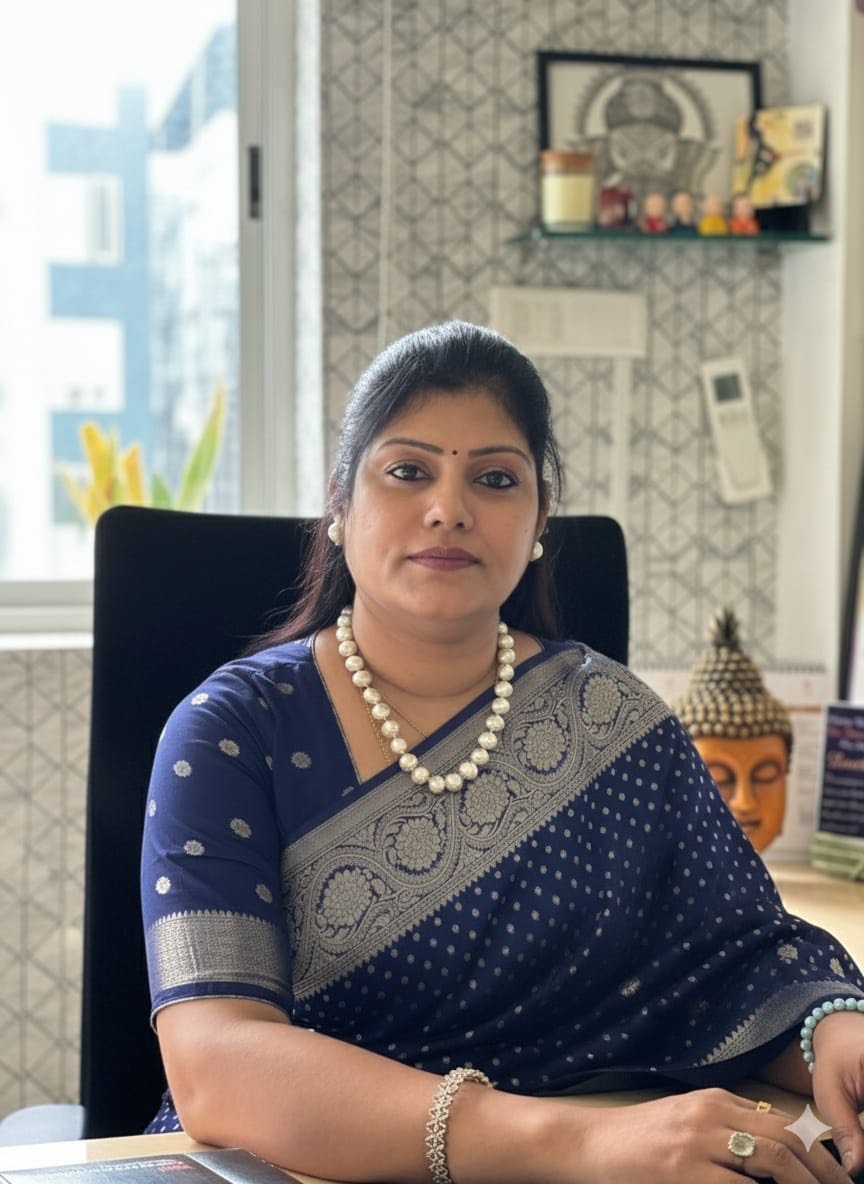
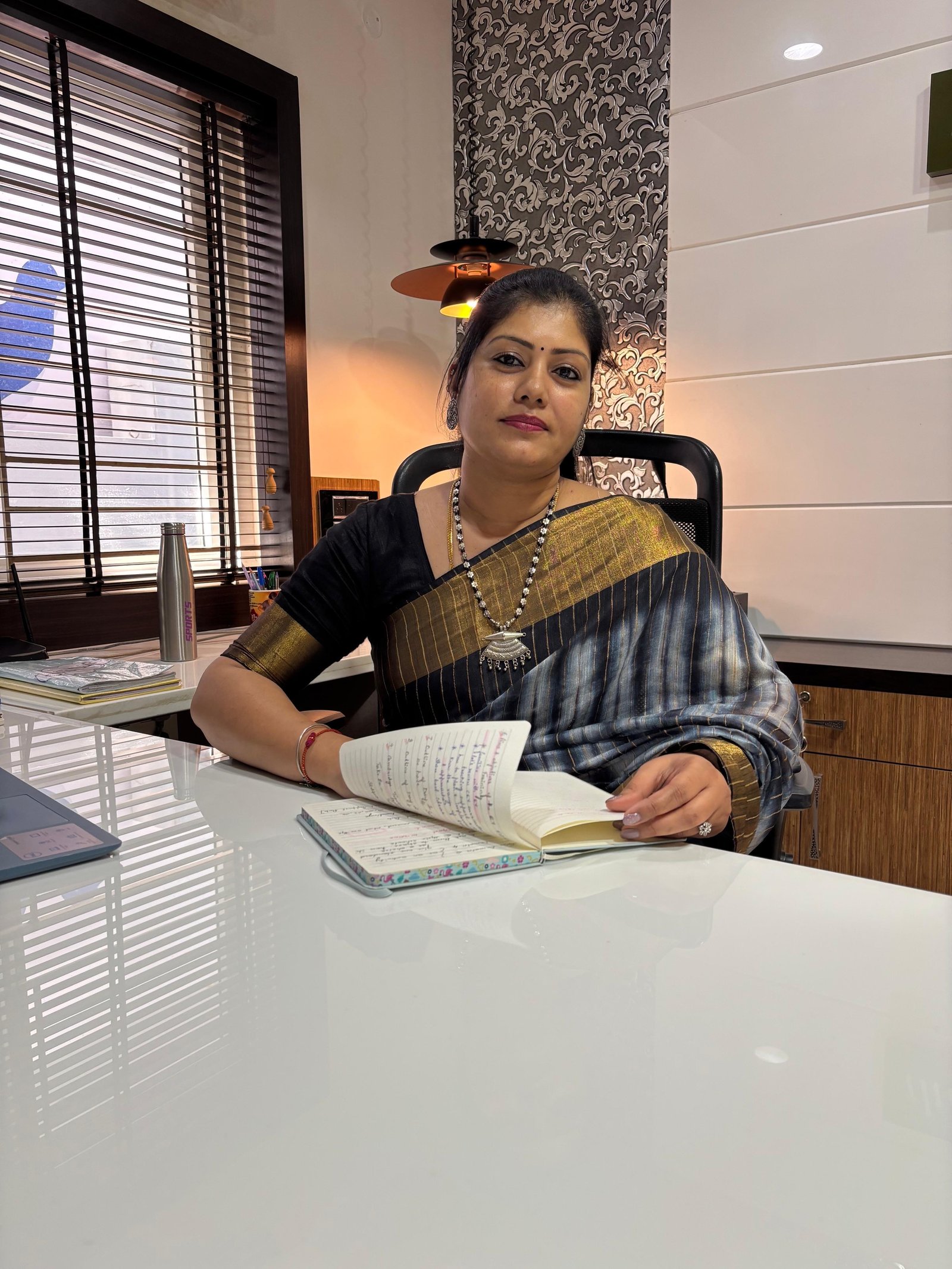
In a candid conversation with Asia Education Digest, Dr. Jeevani Gadde, Chief Operations Officer at Futuristic Edu Initiatives (FEI), reflects on her remarkable 19-year journey in education — from her early days as a pre-primary teacher to becoming a dynamic leader shaping the future of learning.
With a foundation built on passion, perseverance, and continuous growth, Dr. Gadde has navigated diverse roles across teaching, coordination, and administration. Her academic milestones — including a Cambridge International Diploma in Teaching and Training (CIDTT), a Master’s in English Literature, and a Professional Doctorate in Education Administration and Leadership — mirror her lifelong pursuit of excellence and innovation.
In this insightful exchange, Asia Education Digest speaks with Dr. Gadde about the evolution of her leadership philosophy, the balance between innovation and empathy in modern schooling, and her vision for empowering educators in a rapidly transforming global education landscape.
Q. You began your career as a pre-primary teacher and have since transitioned into a senior leadership role as COO. Looking back, what key moments shaped this journey from classroom to boardroom?
A: I’ve always been passionate about teaching and, honestly, never imagined myself in an administrative role when I started. But my journey with FEI changed that completely. It’s often said that a good teacher can identify potential and nurture it — I was fortunate to have a Managing Director who did exactly that for me. At every stage, I was given opportunities to take on new challenges and explore my capabilities beyond the classroom. The habit of saying “yes” to every task, without expectations, became my biggest strength. I believed in working with sincerity and learning from every experience — big or small. Over time, this helped me gain a 360-degree understanding of school operations because I had worked across every dimension connected to it.
These hands-on experiences became my greatest teachers. They taught me to approach challenges with empathy and practicality. Today, when any concern arises, I can analyze it deeply and offer solutions confidently because I’ve lived every role that contributes to a school’s success.
Q. Many educators aspire to move into leadership but struggle with the transition. What advice would you give to teachers who wish to step into administrative and leadership roles?
A: Over the past 15 years, my journey from teaching to leadership has taught me that growth lies in adaptability and staying grounded in reality. As teachers, our instinct is to nurture students — as leaders, we must extend that same empathy to every person we work with.
My advice to aspiring leaders is simple: never lose the teacher in you. That grounding keeps you authentic and connected. Leadership is not about authority; it’s about empowering others and creating an environment where everyone feels valued. Be mindful of your words, because they can build bridges or barriers. Think in terms of “we,” not “I.” True leaders don’t stand ahead of the team; they stand with them.
Most importantly, take time to understand the expectations of your team, management, and parents. When you lead with clarity, empathy, and purpose, you don’t just manage an institution — you inspire a culture of growth.
Q. You believe in empowering people collectively. Can you share an example of how this philosophy has transformed a team or school under your leadership?
A: Real transformation happens when people feel empowered collectively, not directed individually. Our principals are our front-line leaders — managing large teams, addressing challenges, and balancing expectations from every direction. That’s why, whenever we introduce a new policy or framework, we ensure it’s not just designed in the boardroom but shaped with input from the ground up.
For example, when setting admission targets, we don’t focus only on numbers. We begin with orientation and intensive training to help teams understand the “why” behind each goal, align with the vision, and feel confident executing it.
This inclusive approach — listening, gathering feedback, and staying flexible — has built trust and ownership. When people feel heard and supported, they don’t just meet expectations; they exceed them.
Q.How do you balance the administrative demands of running schools with the human side of education — nurturing teachers, students, and parents alike?
A. Balancing administration and human connection is about embracing change with empathy. Innovation is essential, but it’s natural for people to resist it. So, our approach is always gradual, inclusive, and thoughtful. We begin by understanding new ideas, piloting them internally, and ensuring our teams are confident before scaling up. Once our teachers are aligned, we extend initiatives to students and communicate openly with parents through confidence-building sessions.
When I began my journey, most of our processes were manual. Today, through Futuristic Info Solutions, we’ve developed an integrated ERP system connecting school and home seamlessly. We’ve also introduced interactive classrooms, teacher enrichment sessions, parenting workshops, and AI-integrated learning tools — all fostering engagement and transparency. For me, leadership is about blending innovation with empathy so every stakeholder feels part of the change.
Q. As COO at Futuristic Edu Initiatives, you’ve overseen curriculum development, policy design, and auditing. What innovations in schooling excite you the most today?
A. Education is evolving to become personalized, experiential, and future-ready. With NEP driving transformation, we’re moving beyond rote learning to focus on skills, values, and adaptability — preparing students not just for exams but for life.
Technology integration — AI tools, interactive classrooms, and digital portfolios — is making learning more engaging and inclusive. But what excites me most is the empowerment of teachers. Providing them with autonomy, professional development, and data-driven insights enables meaningful learning experiences. The true innovation lies not in the tools but in the culture we build — where students thrive, teachers flourish, and parents become partners in learning.
Q. In times of rapid change — AI, new pedagogies, digital tools — how do you ensure schools embrace innovation without losing their core values?
A. Innovation works best when grounded in reality. When we developed digitalization initiatives such as ERP systems and interactive classrooms, we began with pilots, teacher training, and structured feedback.
This approach ensured confidence and adoption across schools while maintaining our values of empathy, holistic learning, and personalized attention. For me, embracing change is not about chasing trends — it’s about purposefully integrating innovation to empower teachers, inspire students, and strengthen school culture.
Q. Risk-taking has been part of your leadership journey. Can you share a bold step that created meaningful results?
A. One of the boldest steps was digitalizing all 13 FEI schools. Initially, there was resistance, but we started small with pilot modules, conducted orientations, and gathered feedback. Gradually, we scaled to cover every department — academic, administrative, IT, HR, and logistics — under one platform, Futuristic Info Solutions (FIS).
The results were transformational. Processes became transparent, efficient, and interconnected. Achieving 85% adoption was a milestone that reinforced how calculated risks, combined with collaboration, can drive real change.
Q. You’ve pursued multiple qualifications — from CIDTT to a Professional Doctorate. How has continuous learning shaped your career, and why is it crucial for educators today?
A. Pursuing multiple qualifications — from CIDTT to a Professional Doctorate — while balancing my responsibilities as COO, raising two children, and caring for elderly parents has certainly been challenging. Yet, I’ve always had a deep urge to learn, especially knowing that at this stage of my career, leading by example is essential for those around me.
Continuous learning has shaped my career by opening new perspectives, enabling informed decision-making, and allowing me to approach challenges with creativity and confidence. Actively seeking opportunities to grow has consistently opened doors, and having a supportive personal and professional environment has been key to staying motivated and resilient. I also regularly pursue online certifications to keep pace with emerging trends and upskill continuously. Thanks to FEI(FUTURISTIC EDU INITIATIVES), I’ve been able to apply these learnings beyond my COO role, managing FESDA (Futuristic Edu Skill Academy) as a Centre Manager and program leader for CICTL — ensuring that every learning has a tangible impact on processes, team development, and innovation in schools. For today’s educators, continuous learning isn’t just a professional advantage; it’s a responsibility. It equips them to stay relevant, inspire their teams, and lead with both knowledge and empathy.
Q. How do you stay updated on evolving global education practices, and what would you recommend to fellow school leaders?
A. I stay updated through global certifications, webinars, and international education forums. I study successful models from around the world and explore ways to adapt them meaningfully within our context.
For school leaders, I recommend staying curious, networking globally, and turning learning into action. Every insight should be tested, refined, and implemented with purpose. Ultimately, staying informed isn’t about following trends — it’s about building a culture of relevance, innovation, and continuous improvement.
Q. What are the most critical leadership qualities needed to lead schools in the next decade?
A. Leading schools in the coming decade requires adaptability, empathy, and visionary thinking. Leaders must communicate clearly, empower diverse teams, and embrace innovation without losing sight of their core values.
The best leaders combine strategic foresight, emotional intelligence, and operational excellence — creating cultures that foster growth, innovation, and well-being for both students and staff.
Q. If you could reimagine the “school of the future,” what three elements would be non-negotiable?
A. The three non-negotiables would be: personalized learning, empowered educators, and seamless technology integration. Students must have learning experiences that nurture curiosity and creativity; teachers must be empowered with autonomy and development opportunities; and technology should serve as a bridge, enhancing—not replacing—the human connection in education. The school of the future will balance innovation with empathy, ensuring that every learner, teacher, and parent grows together in a culture of collaboration.
Q. Finally, what message would you like to share with educators and aspiring leaders across Asia who read Asia Education Digest?
A. Writing for Asia Education Digest has been a moment of reflection — a chance to relive lessons, challenges, and triumphs that shaped my journey. To educators and aspiring leaders, my message is heartfelt: stay curious, embrace challenges, and lead with empathy. Education is one of the few professions where your impact lasts far beyond the classroom. Never stop learning, never fear bold steps, and always remember — leadership is about empowering others and building trust. Lead with integrity, stay open to innovation, and let your passion for education guide you. The difference you make today will shape the changemakers of tomorrow.
The three non-negotiables would be: personalized learning, empowered educators, and seamless technology integration.
Students must have learning experiences that nurture curiosity and creativity; teachers must be empowered with autonomy and development opportunities; and technology should serve as a bridge, enhancing—not replacing—the human connection in education.
The school of the future will balance innovation with empathy, ensuring that every learner, teacher, and parent grows together in a culture of collaboration.